What
should I look for when selecting a hair transplant physician?
Selecting
the right physician is a very big decision because the quality of
work being done today varies widely. Consider what consumer advocate
and the author of "The Bald Truth" says about hair
transplant physicians today:
| "Although
there are almost 200,000 physicians performing all sorts of
so-called hair-restoration procedures in the United States,
literally only a handful perform these procedures well and to
safe, nondisfiguring, state of the art specifications. . . .
Many physicians are still using outdated methods of hair transplantation,
leaving the patient with a pluggy, unnatural look (resembling
doll hair) and a great deal of scalp deforming scarring called
"cobblestoning" that occurs around the implants."
- Spencer Kobren |
In
his book Kobren warns readers that although the "Follicular
Unit Hair Transplant" procedure is widely considered to be
the "Gold Standard," it is unfortunately performed well
by only a small handful of hair transplant surgeons.
| Mr.
Kobren identifies Dr. Shapiro
as among an elite group of physicians who "... perform
state-of-the-art follicular transplantation and are recognized
by their peers as leaders in the field." |
Ask
your self these important questions before you consider before making
a final decision:
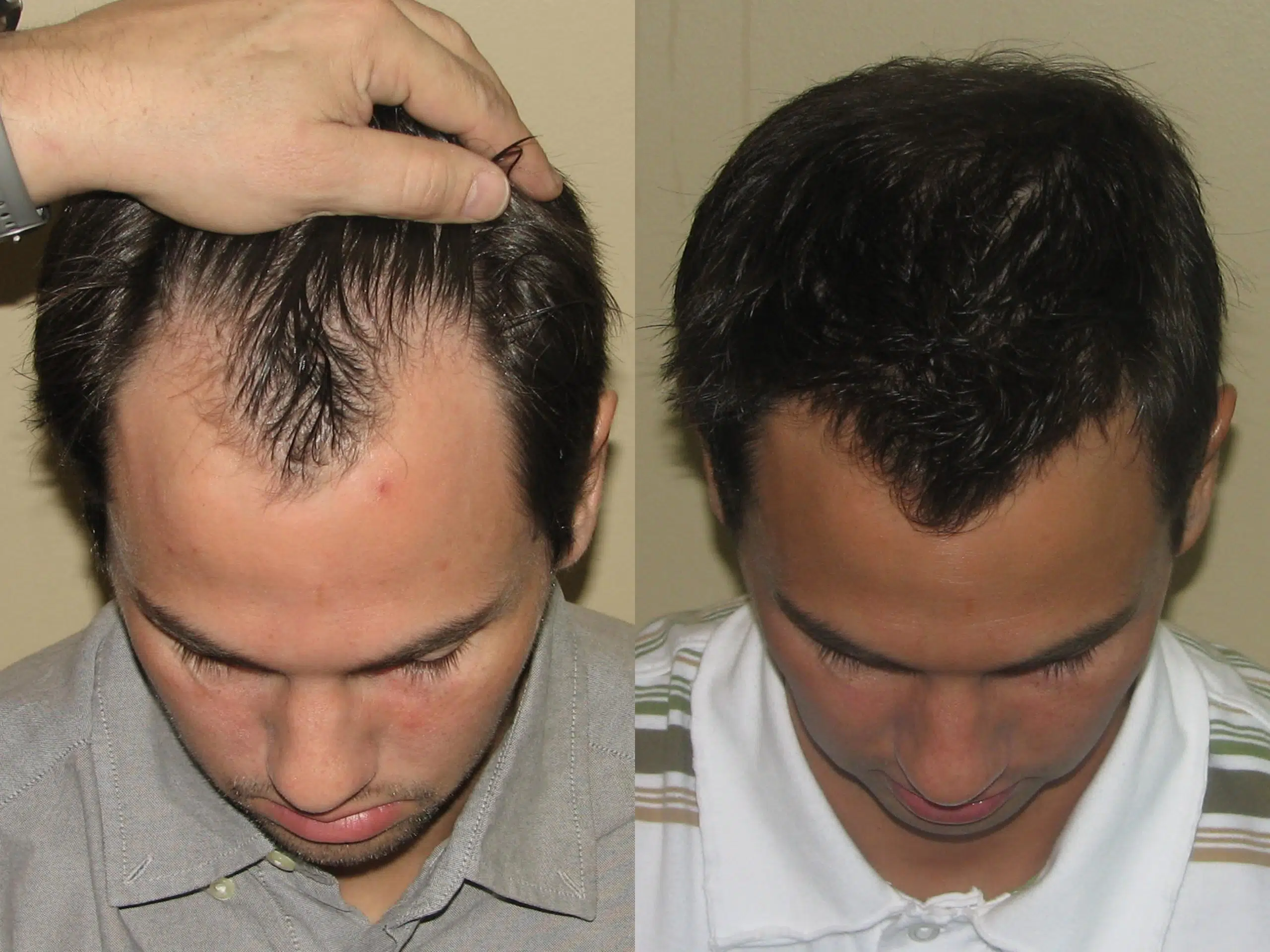
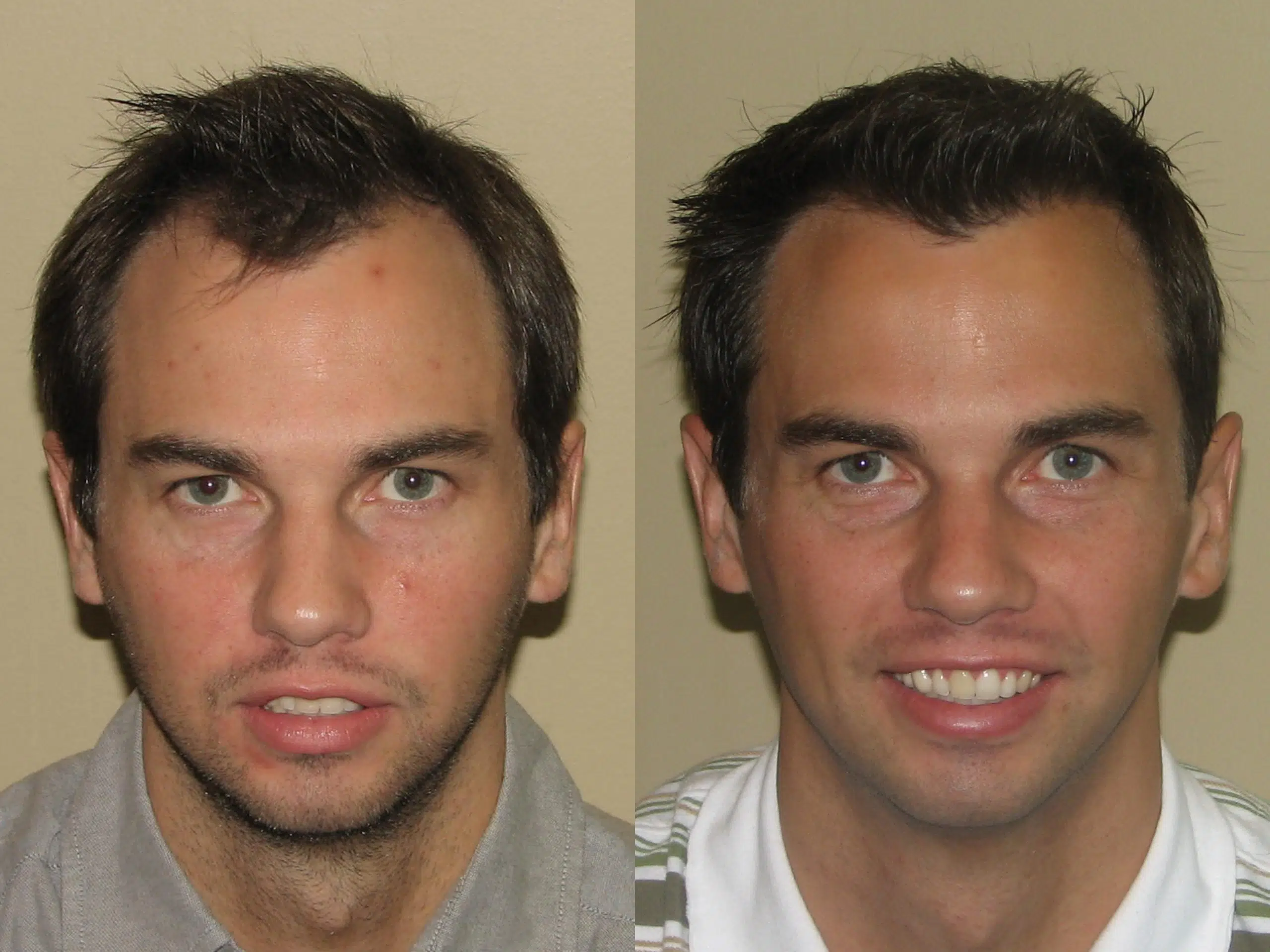
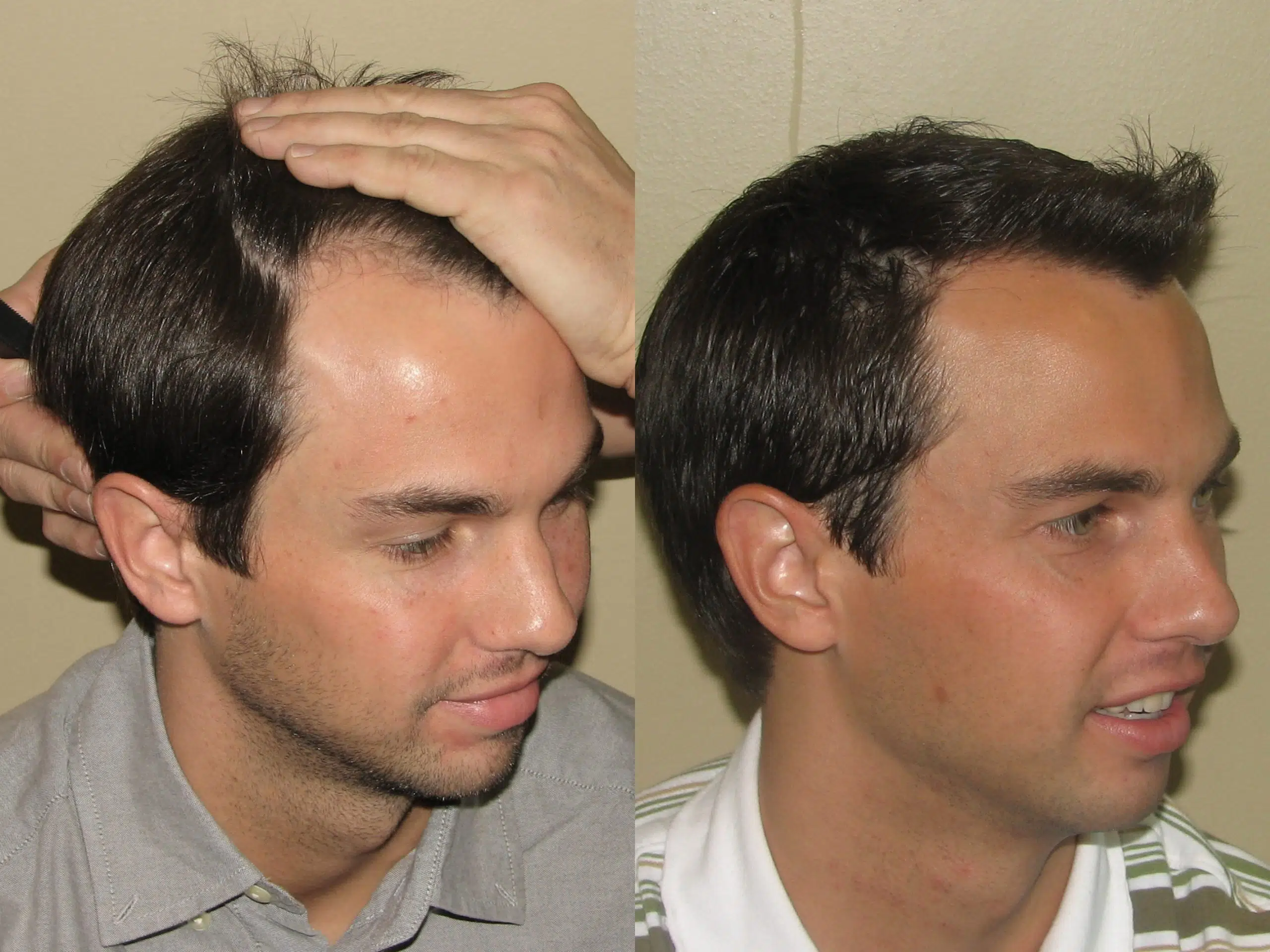
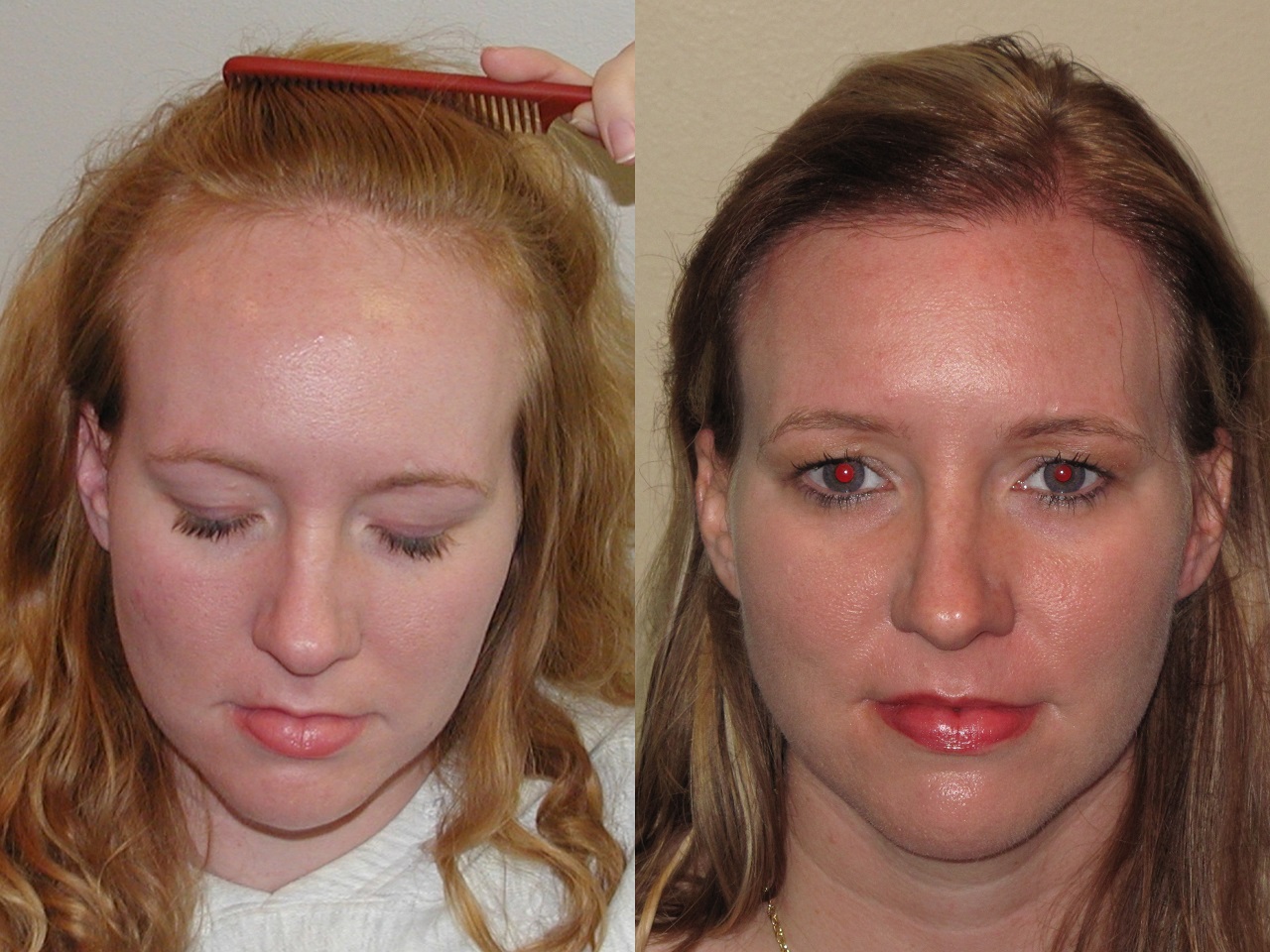
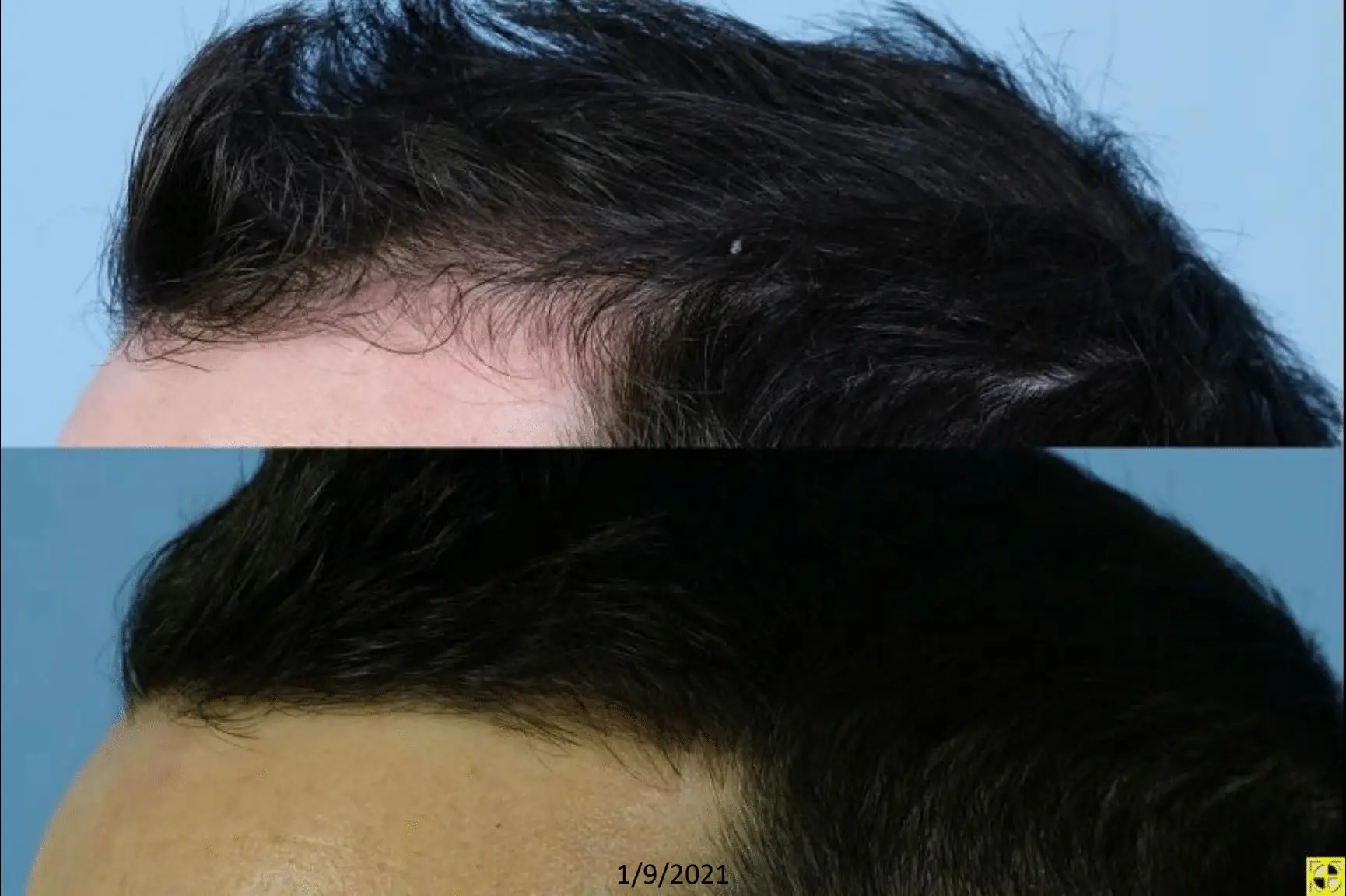
- Can
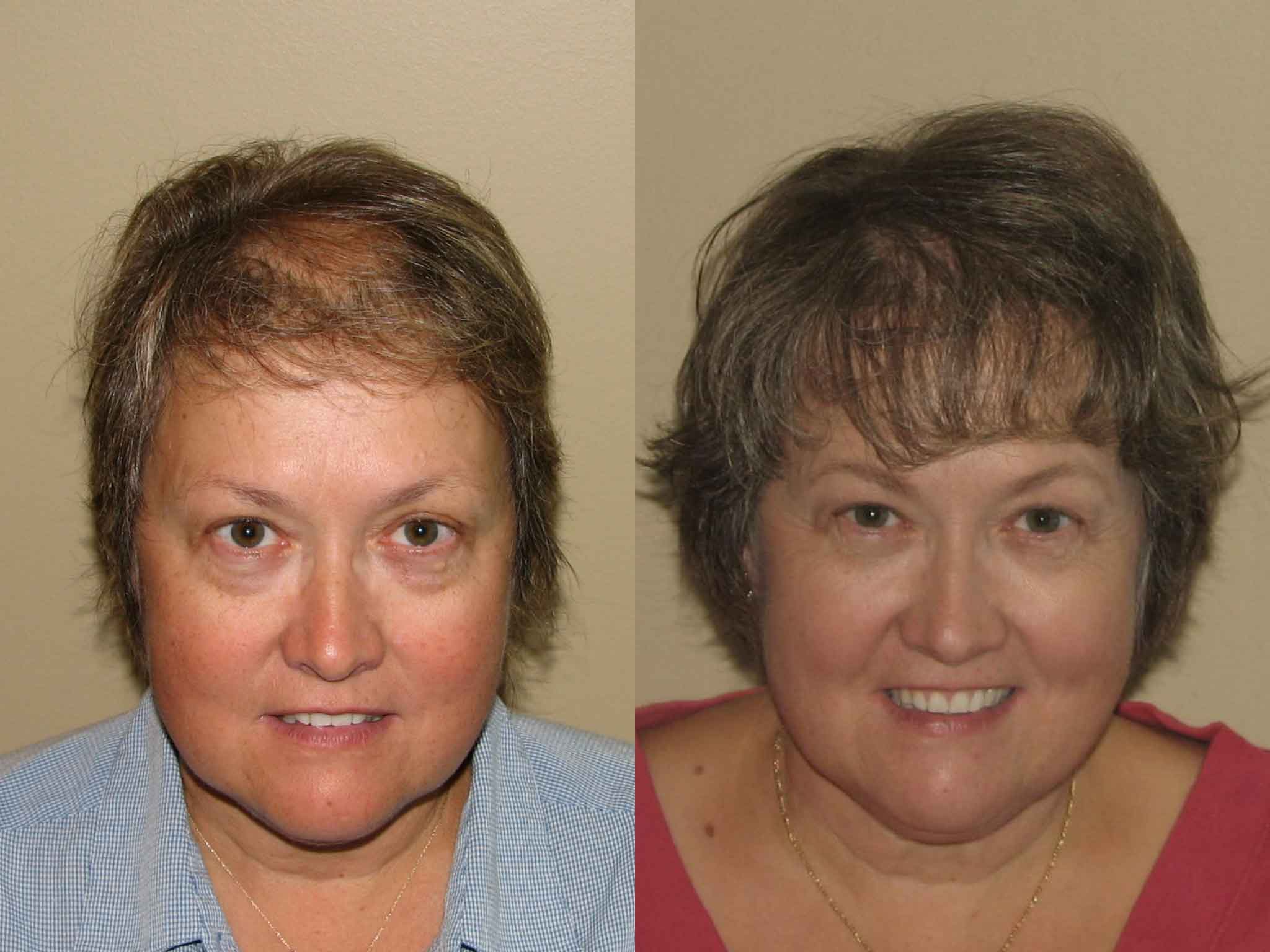
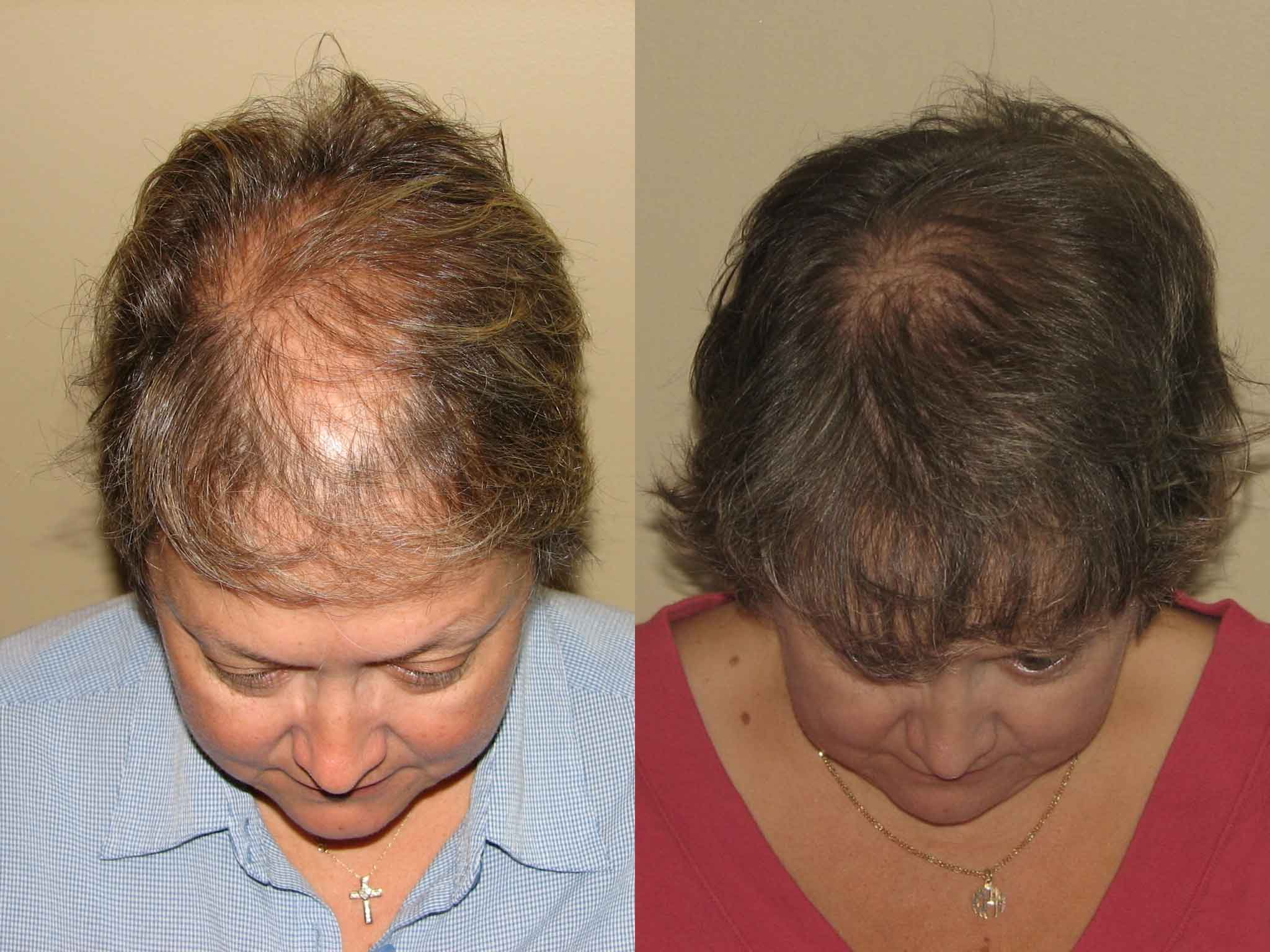
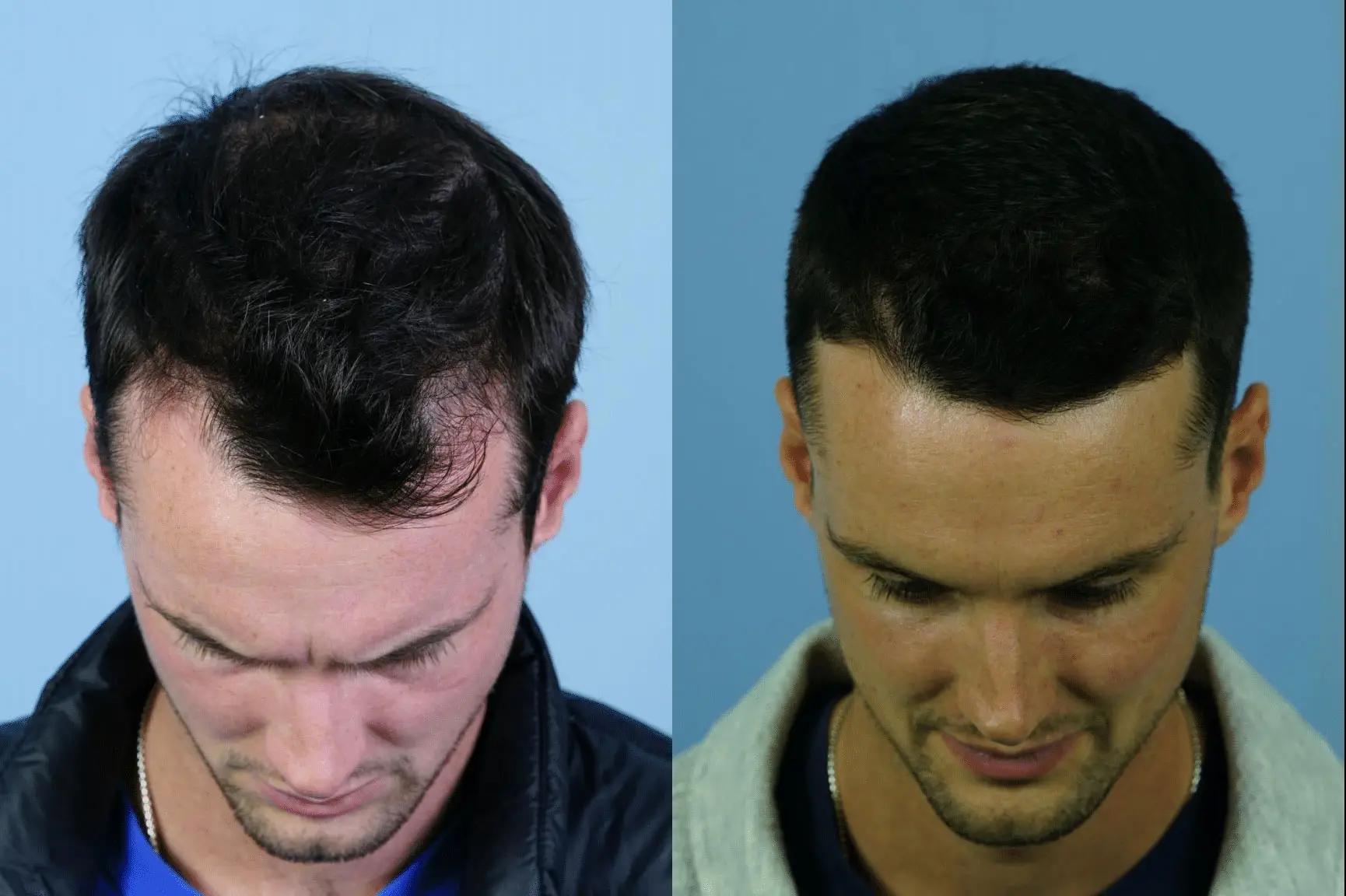
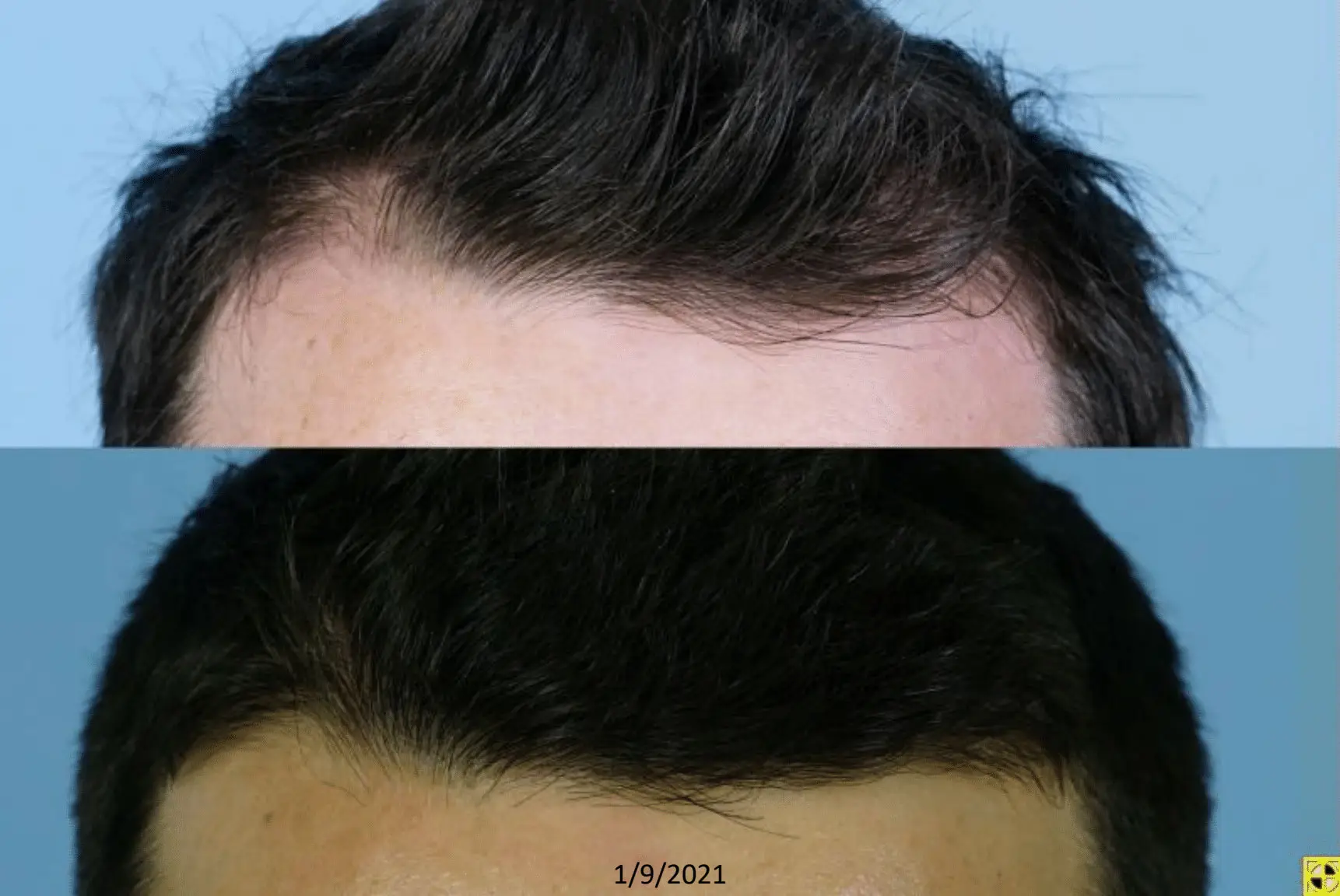
the surgeon provide at least one dozen sets of clinical "before"
and "after" case photos for your review? Be sure the
photos offer good clarity and detail, and include "before"
views as well as "after" views that allow for critical
evaluation of the hairline, midline and crown areas.
- What
is the physician's reputation among his or her peers?
- Does
the physician lecture or teach other physicians?
- Have
the surgeon's techniques been documented in leading medical journals?
Such publishing credits help ensure credibility and the authenticity
of a surgeon's work, having passed stringent medical review processes.
- Can
the surgeon provide a list of names and phone numbers of patients
willing to discuss their personal experiences? Patient testimonials
will say a lot.
- Is
the surgeon performing procedures in a fully-equipped and sterile
outpatient surgical facility designed exclusively for hair restoration?
- How
many procedures does the surgeon perform in one day? Ideally the
physician will be dedicated to working on you all day if you are
doing a large mega session procedure.
- Does
the physician perform hair restoration surgery full time?
What
causes baldness?
The
cause of male pattern baldness is no longer a mystery. Research
has shown that when the male hormone - testosterone is exposed to
5-alpha-reductase, an enzyme in the hair follicle, it produces another
hormone called dihydrotestosterone (DHT), which causes permanent
hair loss. This hormone (DHT) causes the hair follicle to shrink
and grow a finer hair that is lighter in color, shorter and less
deeply rooted than its predecessor. Most often, the hair in the
balding region will continue to grow at an increasingly slower rate
until hair growth ceases completely.
The
pattern of progression, and the extent and speed of male pattern
baldness, is largely dictated by genetics, hormones and age. For
men, this permanent type of baldness generally follows specific
patterns. Even in the most extensive cases, a horseshoe shaped fringe
of hair remains. This donor fringe is insensitive to the balding
process and will last a lifetime. This is because this hair is genetically
programmed in the root, or hair follicle, to be resistant to the
effects of DHT.
The
hair in this donor area provides the basis for surgical hair restoration.
These hairs, when transplanted into thinning or balding areas, will
take root and grow, and continue to grow for the rest of a person's
life.
Are
hair transplants permanent?
Since
the hair used in hair restoration surgery comes from the donor area,
which is not sensitive to the balding process, it will be permanent.
This hair will retain its genetic characteristics even after relocation.
It will grow and continue to grow for the rest of your life.
What
is "follicular unit hair transplantation"?
This
procedure has been called the logical end point of 30 years of evolution
in hair transplantation beginning with traditional larger plugs
and culminating in the move to one, two, and 3 hair follicular unit
hair grafts, which mirror the way hair grows in nature. (Hair Transplant
Forum Feb. 1997).
The
key to follicular unit transplantation is to identify the patient's
"natural hair groupings" and use them intact to create
from "micro follicular unit hair grafts" that are composed
of naturally occurring 1, 2, and 3 hair grafts.
These
follicular unit micrografts are much smaller than traditional untrimmed
micrografts that contain equivalent amounts of hairs. Their size
enables larger numbers of them to be placed in tinier, less traumatic
incisions closer together.
Using
this advanced technique a surgeon can move more hair in a totally
natural way - creating a natural look at every stage of hair restoration.
Why
are so few physicians performing all micro"follicular unit
hair transplantation?
It's
known that using small follicular unit grafts of 1 to 3 hairs and
large sessions of 1200-2000 grafts is the ideal procedure for a
patient who wants to achieve the most natural result with the least
number of sessions.
As
beneficial as it is for the patient, it is equally unappealing for
the physician performing the procedure. This procedure requires
the physician to be more detailed and exact, both in the cutting
and placing of the graft. Using smaller grafts results in the need
for more of them, thus it is more labor intensive. It necessitates
a larger staff and longer time commitment to achieve the desired
result.
While
it is more labor intensive and therefore more costly to the clinic,
the belief is that the doctors should bear this added financial
burden. This is because they're not moving that much more hair,
they're just moving it in a better manner.
Some
physicians say there is not sufficient circulation in the recipients
site to place 1000-1500 grafts and ensure successful growth.
This
may be the case with sessions of 1000 to 1500 grafts if grafts larger
than four hairs are used. And it's usually physicians using grafts
of this size that make this statement.
However,
mega sessions of 1000-2000 grafts with grafts of 1-4 hairs are completely
successful. Performing sessions any smaller would be counter productive
as it would not maximize the procedures potential.
How
much work will I need?
How
much work you will need depends on various factors - such as, how
much hair loss you have now, the amount of hair loss you will have
in time, and your goals and expectations - or how thick you need
it to be.
What
does Hair Transplantation Cost?
Generally
hair transplantation has become a dramatically better value over
the past several years. The cost of hair grafts have gone from a
typical $25 per graft charge for the old large pluggy grafts, to
prices ranging from $4 to $10 for today's mini, micro, and all micro
follicular unit grafts. The price per graft tends to be lower as
the size (number of grafts) of the transplant session increases.
Therefore larger sessions not only produce more dramatic and rapid
progress but better cost efficiencies.
The
Shapiro Medical Group's pricing is very moderate by industry standards.
And that's not even taking into account the vastly superior results
that are achieved by them. For a mega session of 1500 or more all
micro grafts the cost per graft can be as low as $4.00 per graft.
Financing is also available.
Of
course the cost of hair transplantation will ultimately depend on
how much work you need to be satisfied.
Since
Propecia is now available, will hair transplantation be a thing
of the past?
While
Propecia and Rogaine have been proven to regrow hair, they will
not grow all your hair back. Both products have not been proven
to grow any significant hair in the frontal temple area, which is
the main area of concern for most people.
Their
greatest benefit seems to be in slowing down hair loss. Propecia
and Rogaine can be part of an effective hair restoration plan. We
prescribe Propecia in order to help maintain some of the hair which
may be lost over time.
What
about "Scalp Reductions"?
Scalp
reductions were first introduced in the mid-1970s as a way of treating
an individual with a midline bald spot. Although several design
approaches can be used, an elliptical approach is generally the
most common. With this procedure, an ellipse of bald skin is removed
centrally in the crown area and the hair-bearing scalp on the sides
of the head is stretched toward the middle to obtain closure.
Because
scalp reductions do not allow for an upward and forward advancement
of the entire scalp, they are not effective in treating patients
who possess or have the potential for more extensive baldness. Due
to this inherent surgical limitation, as well as the aesthetic drawbacks,
which include an excessive stretching back of the bald area and
increased receding at the temples, the scalp reduction procedure
is considered outdated for the treatment of moderate to extensive
baldness. Newer procedures offer more predictable and better aesthetic
results, and often require fewer surgical sessions.
Does
removing hair from the donor area on the back of my head leave a
gap?
The
scalp is very elastic. When the donor strip of hair is removed,
the scalp on both sides is just pulled together and sutured. The
only evidence of surgery is a thin line hidden under the hair that
grows vertically on the back of the head.
Are
there risks involved?
Elective
surgery to improve physical appearance is universally accepted and
is being performed successfully everywhere there are qualified specialists.
Hair restoration procedures differ from general surgery, however,
in that they involve only the outer layers of the body. You should
not worry excessively about risks or complications, because they
are rare.
Is
hair restoration surgery painful?
The
discomfort associated with hair restoration surgery is usually comparable
to that of dental surgery. Pain medication is always offered, though
its use is limited generally to the first 24 hours after surgery.
Will
my transplanted hair require special care?
Your
newly restored hair will grow and require the same maintenance as
your original head of hair. It's your hair and can be colored, permanently
waved or styled in a variety of ways suitable to your lifestyle.
Can
I wear a hairpiece until my surgery is completed?
Hair
pieces can be worn between surgical visits if you want, as long
as proper hygiene and ventilation of the scalp are maintained.